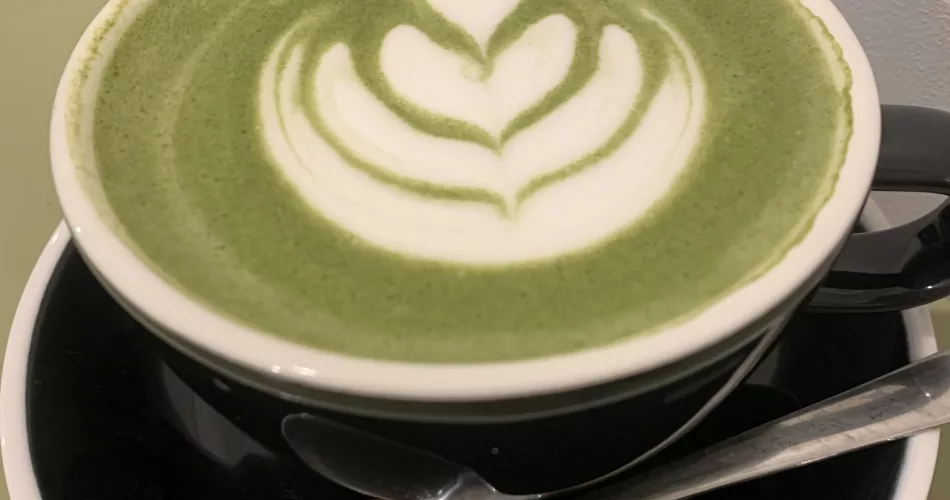
A matcha tea, Matcha tea, known for its many properties and benefits for your body, could now offer another unexpected health benefit: helping to reduce allergy-induced sneezing. Matcha tea against allergy sneezing sounds like a joke, but... study Recent research suggests that it could influence the sneeze reflex, opening the door to new ways to relieve the symptoms of allergic rhinitis.
A superfood with multiple properties
Matcha is made from specially cultivated and processed green tea leaves, which are then dried and ground into a very fine, deep green powder. Unlike other teas, when consuming matcha, the whole leaf is ingested, allowing for a higher concentration of bioactive compounds.
Among them, the following stand out: antioxidants, catechins and amino acids, These substances have been linked to health benefits such as reduced inflammation, improved brain function, and support for the cardiovascular system. These characteristics have made matcha one of the most studied ingredients in the field of functional nutrition.
A study focused on allergic rhinitis
The research, conducted by Japanese scientists, analyzed whether consuming matcha could influence the symptoms of allergic rhinitis, a very common condition that causes repeated sneezing, nasal congestion, itching, and watery eyes.
To do this, the researchers worked with mice engineered to develop symptoms similar to hay fever. For more than five weeks, the animals received doses of matcha tea several times a week, in addition to an extra amount shortly before being exposed to an allergen that triggered the reaction.
The results showed that mice treated with matcha They sneezed significantly less than those who had not received the compound.
A different effect than that of antihistamines
One of the most interesting findings of the study is that matcha appears to act differently than usual allergy medications.
Instead of directly modifying the immune system's response, as antihistamines do, matcha seems reduce the activation of certain neurons related to the sneezing reflex. The researchers observed reduced neuronal activity in brainstem regions involved in this reflex.
Furthermore, the treatment reduced the expression of certain neuronal activation markers that typically increase during an allergic reaction. However, no significant changes were observed in the main immunological indicators of allergy, reinforcing the idea that its effect occurs at the neurological level.
Matcha tea against allergy sneezing: Promising results, but with caution
Although the results are promising, scientists emphasize that the study has been conducted only in animal models. Therefore, clinical trials in humans are still needed to determine if matcha can become a useful supplement for reducing sneezing and other symptoms of allergic rhinitis.
If future research confirms these effects, matcha could become part of new natural strategies to relieve seasonal allergies, a condition that affects millions of people every year.
Meanwhile, this scientific work provides a new perspective on how certain foods rich in bioactive compounds can influence everyday bodily processes such as the sneezing reflex.
Sources: Infosalus (Europa Press), npj Science of Food (Nature).